|
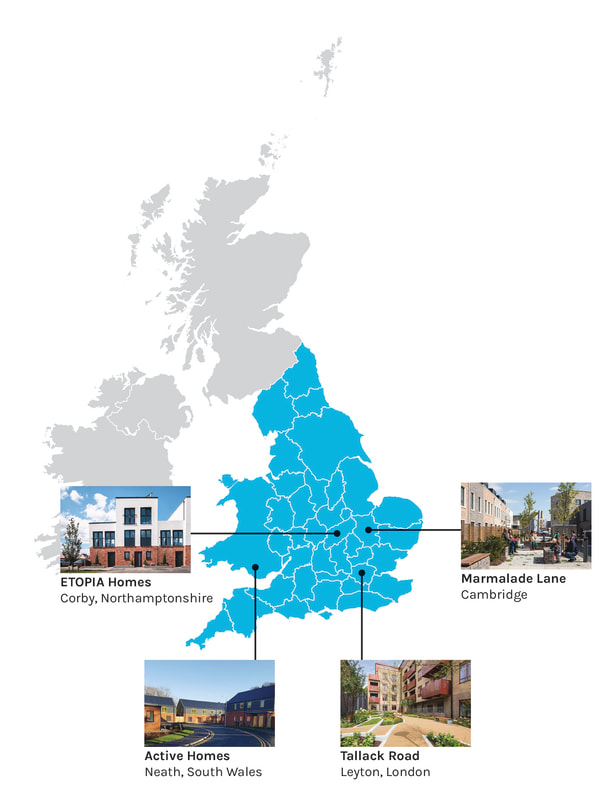
Selected developers who constructed Buildings for 2050 housing schemes and participated in this research project.
|
THE STUDY DEVELOPMENTS
The developers had different funding models and a range of drivers for the schemes they developed. They also adopted different approaches to low carbon design. These factors, combined with the variation in tenure, provided a good range of data for the research.
|
|
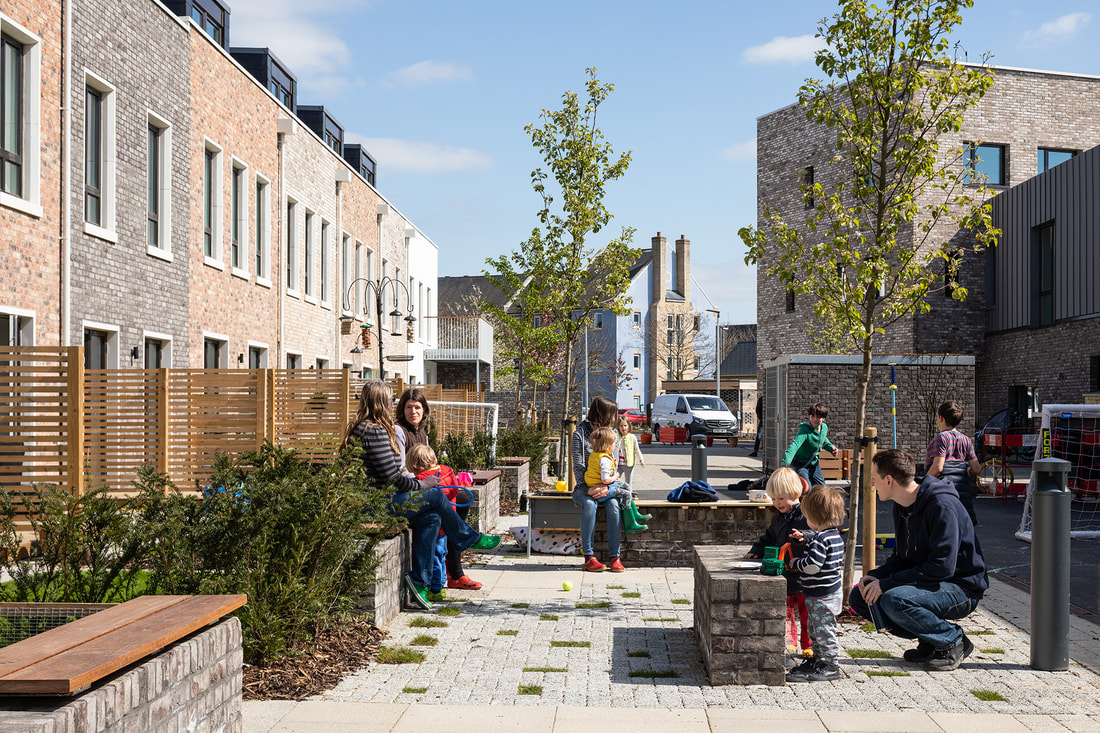
Marmalade Lane, Cambridge
|
Marmalade Lane provides 42 dwellings, a mix of flats and houses, with a shared facility ‘Common House’. It deploys a fabric-first design with offsite timber panels for houses and pre-fabricated cross-laminated timber panels for flats. Low carbon features include a triple-glazed panel system, air source heat pumps to supply heating and hot water, and mechanical ventilation with heat recovery.
Team Developer: TOWN and Trivselhus UK Architect: Mole Architects Consultants: Hoare Lea, Elliott Wood, Etude Low carbon technology
Construction method Prefabricated cross-laminated timber panels (CLT) for the Apartments. Trivselhus Climate Shield closed timber panels for the houses. Date of completion: December 2018 www.marmaladelane.co.uk |
© David Butler
|
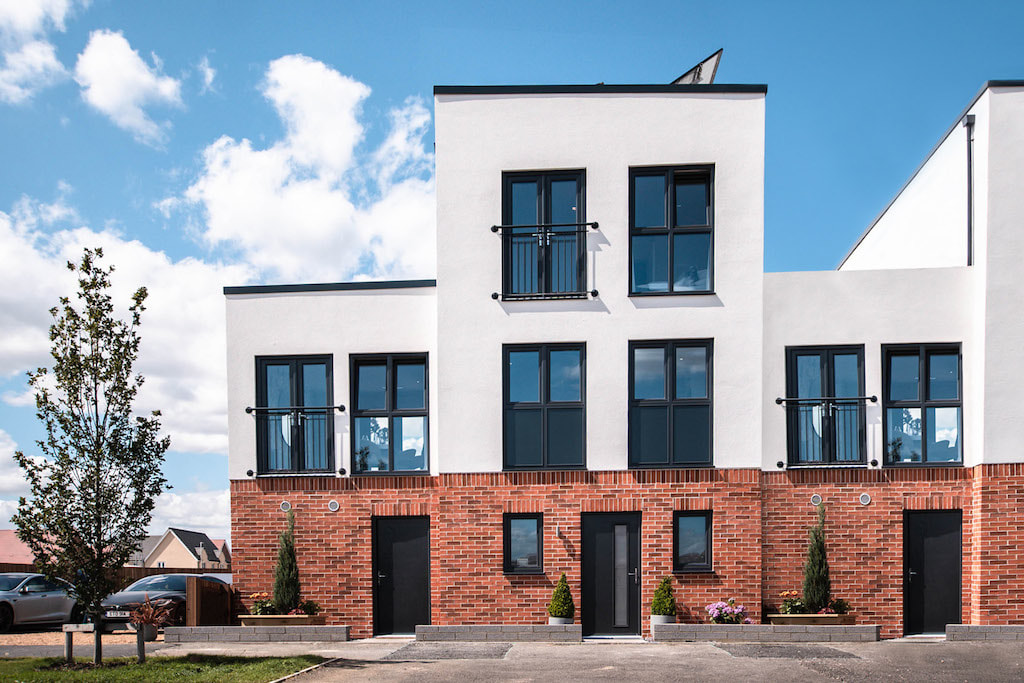
ETOPIA Homes, Corby, Northamptonshire
|
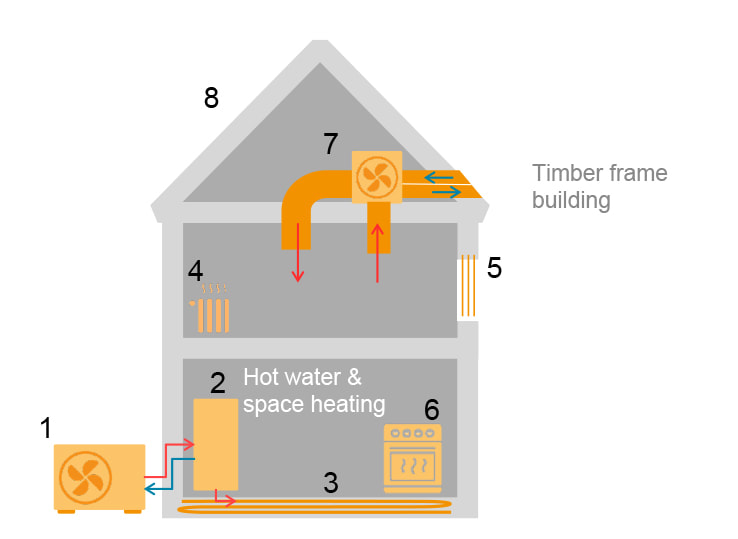
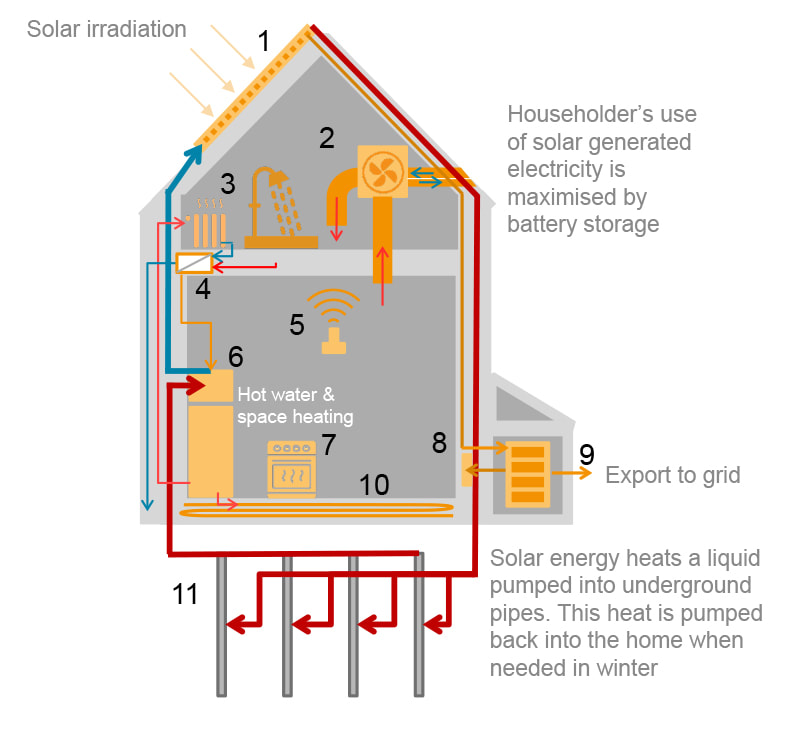
Etopia Homes provides 47 homes, flats and houses, for private sale. It has a wide range of low carbon tech including a structurally insulated panel construction, triple glazing, a ground source heat pump for heating and hot water and an Earth Energy Bank providing inter-seasonal storage (and a heat source for the pump). It also comes with a PV-Thermal hybrid solar array and mechanical ventilation with heat recovery and a Smart Home Energy Management system to co-ordinate technologies.
Team Developer: Project Etopia Architect: Staniforth Architects Consultants: Electric Corby, Carbon Free Group, Smart Power Systems, Caplin Solar Low carbon technology
Construction method 4 Wall structurally insulated panel (SIP) construction with render and brick slips externally. Date of completion: Phased completion. First homes occupied January 2020 www.etopiacorby.co.uk |
© Etopia Homes
|
Tallack Road, Leyton, London
|
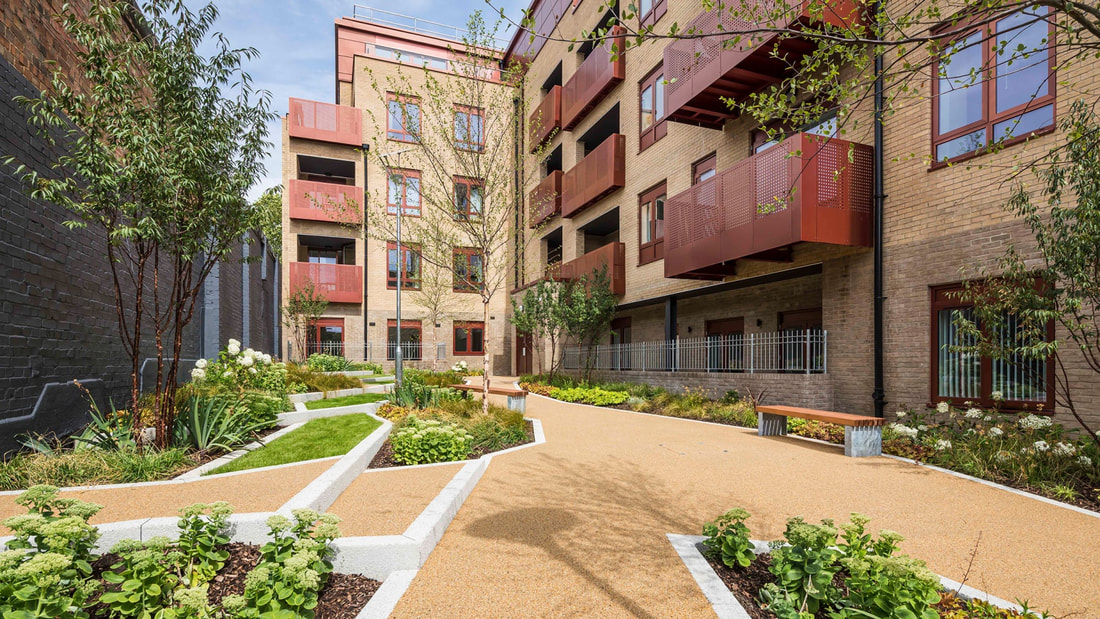
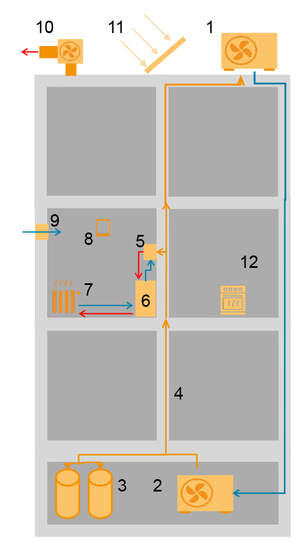
Tallack Road is a private development of innovative low carbon housing designed to comply with the London Plan’s carbon emission targets. It provides a mix of 80 per cent private and 20 per cent affordable homes in 48 flats and two houses. The low carbon features include a communal ambient loop heat network that provides heating and hot water using air source heat pumps, in-dwelling water-to-water heat pumps and centrally located PVs that feed the landlord’s supply.
Team Developer: Galliard Homes Architect: Osel Architects Consultants: EDC London Low carbon technology
Construction method Traditional brick construction Date of completion: March 2020 www.galliardhomes.com/church-road |
© Galliard Homes
|
Active Homes, Neath, South Wales
|
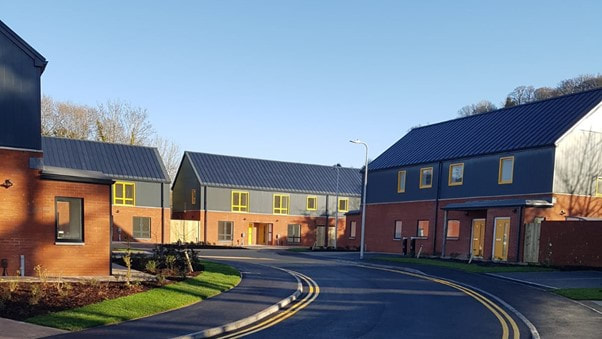
Active Homes provides six-homes, a mix houses and flats for social rent, and comes with a number of grant-funded low carbon features including: off-site manufactured timber frames and double glazing; PV panels with battery storage and mechanical ventilation with heat recovery. It also provides hot water from individual air source heat pumps preheated by transpired solar collectors integrated into the building envelope.
Team Developer: Pobl Group Architect: Pentan Architects Consultants: Asbri Planning, Auxilium, ER Brown Innovation Partner: SPECIFIC Low carbon technology
Construction method Structurally insulated panels (SIPs) with independent facing brickwork, polyester powder coated metal cladding, and standing seam roof. Date of completion: November 2020 www.poblgroup.co.uk/our-developments/active-homes |
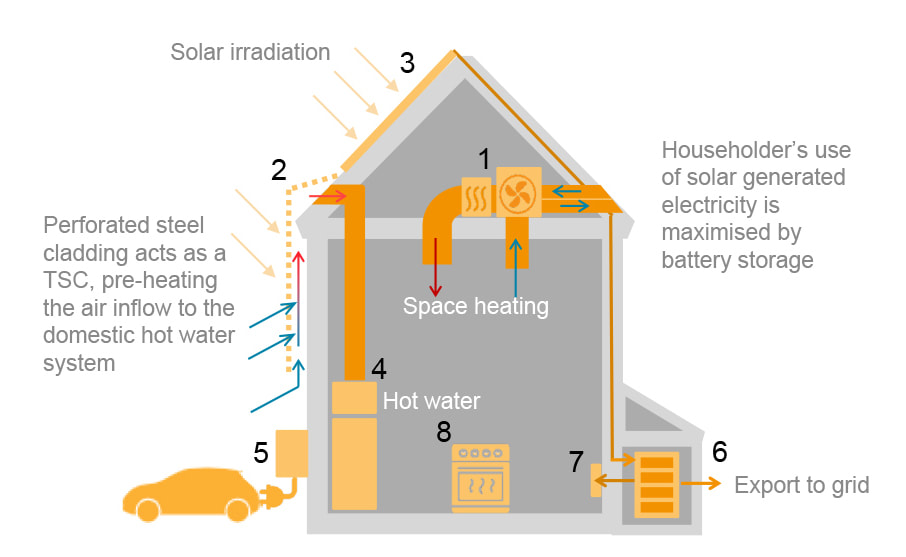
There was a later change to the form of space heating
|
|
A project for
|
Delivered by
|

|

|

|

|

|
|
Website by Pollard Thomas Edwards © AECOM 2022. All rights reserved
updated 12 December 2022 |
|